
Sacha P. Dobler, 2021
Abstract:
Yearly orbital positions of the four Jovian planets (the gas giants) and Pluto were compared to solar activity proxies: to sunspot numbers (SSN) for the past 8650 years and to radio carbon calibration data of the past 12,000 years. Correlation coefficients were calculated between the angular distance of each planet (or accumulated angular distances of several planets) from 12 different orbital positions and the solar activity of the corresponding year.
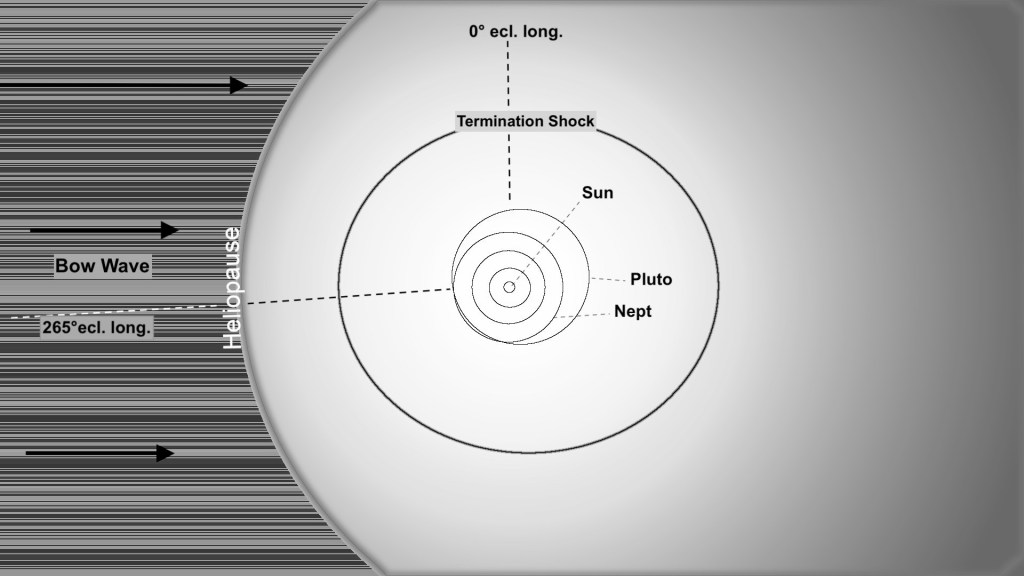
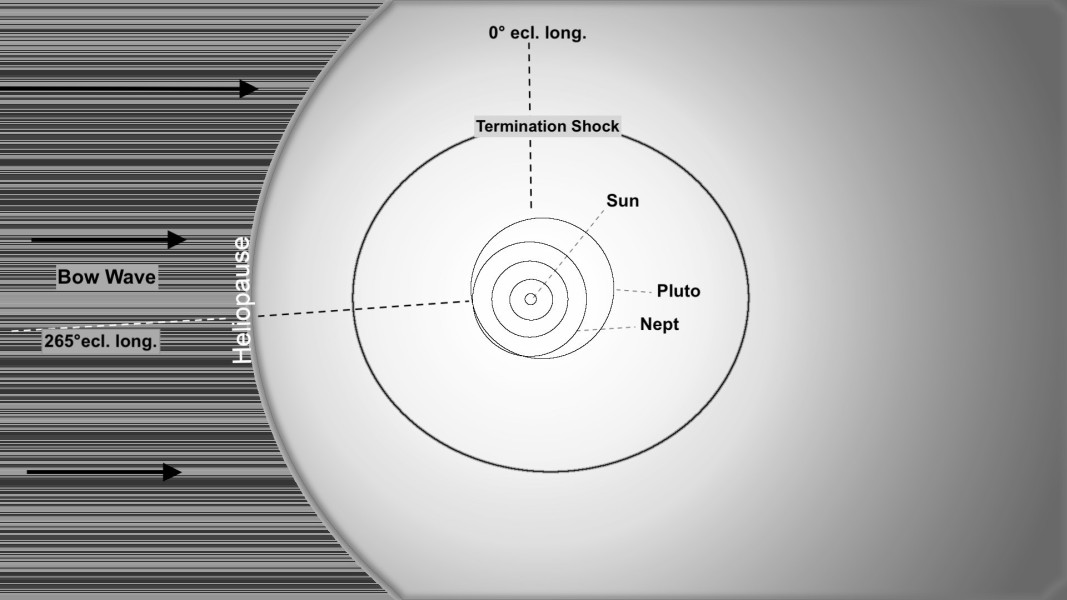
Weak but very consistent negative correlations were found between the angular distance of Pluto as well as the accumulated angular distances of Neptune and Pluto from the region of 265° ecliptic longitude and the 40-year moving average of Sunspot Number: Sunspot Number increases when either Pluto or both Pluto and Neptune are closer to the 265° position and is lowest when they are closer to the 85° position, with a gradual transition between these points. The relationship is strongest for Pluto observed independently: r= -0.09022, p<10-16.
Smaller correlations are found for the accumulated angular distances of Pluto and Neptune from this position, and correlation coefficients below -0.03 (p< 0.01) were obtained for Neptune when observed independently. No other planet or combination of two or more planets yielded statistically significant correlations r > 0.003.
download pdf:
Tables
all raw data as excel spreadsheet:






 ABRUPT EARTH CHANGES
Leave a comment